ISLAMABAD · RAWALPINDI · ATTOCK · JHELUM · CHAKWAL
IESCO Peak Hours: Timings, Off-Peak Hours & Electricity Bill Savings Guide
Is your IESCO bill higher than expected? The time of day you use electricity could be the reason. This guide covers the current IESCO peak hours timing, seasonal changes, bill impact, and simple ways to save.
Last updated 2026 · Timings can change — always confirm on your bill or the IESCO official website.
About peak hours
What are IESCO peak hours?
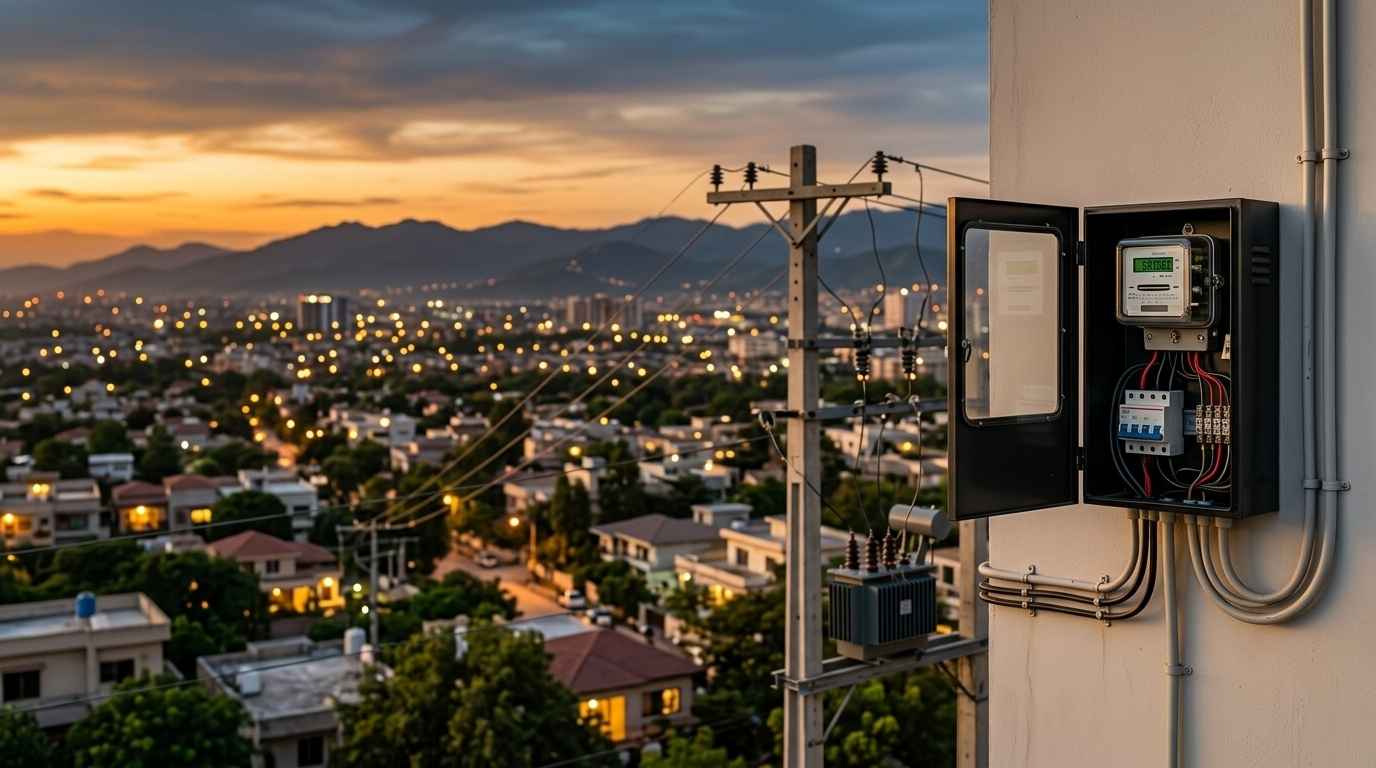
Peak hours are the fixed hours when electricity demand is highest. This usually happens in the evening. Homes, offices, and markets all draw power at the same time — fans, ACs, lights, and water heaters run together, and demand on the grid spikes.
To manage this load, IESCO charges a higher per-unit rate during peak hours. These rates follow tariffs approved by NEPRA, the National Electric Power Regulatory Authority. The rest of the day is off-peak time — demand is lower, and electricity costs less per unit.
Simple example: Running an AC for two hours at 8 PM (peak) costs more than running it for two hours at 2 AM (off-peak). Same units, different rate.
Summer vs winter
IESCO peak hours timing
Peak hours generally fall in the evening. Off-peak hours cover the rest of the day and night — and the exact window shifts with the season.
| Season | Peak hours | Off-peak hours |
|---|---|---|
| Summer (Apr–Oct) | 6:00 PM – 10:00 PM | 10:00 PM – 6:00 PM (next day) |
| Winter (Nov–Mar) | 5:00 PM – 9:00 PM | 9:00 PM – 5:00 PM (next day) |
Why timing shifts by season: Summer evenings stay warm longer, so AC use keeps demand high until around 10 PM. Winter days get dark earlier — geysers, heaters, and lights switch on sooner, so the peak window starts and ends about an hour earlier.
IESCO or NEPRA can revise these hours through official notifications. Check your latest paid bill or the IESCO website before changing your routine.
Same timing, different impact
IESCO peak hours schedule by consumer type
Peak hour timing is the same across consumer categories. But the impact differs.
Biggest daily impact
Cooking, ACs, and geysers cluster in the evening peak window.
Evening opening hours
Shops and markets open in the evening, billing a large share of units at peak rates.
Night-shift advantage
Many factories shift heavy machinery to night shifts to use off-peak rates.
Quick comparison
Peak hours vs off-peak hours
| Factor | Peak hours | Off-peak hours |
|---|---|---|
| Electricity demand | Very high | Low to moderate |
| Tariff rate | Higher per unit | Lower per unit |
| Recommended usage | Light, essential use only | Heavy appliances, batch tasks |
| Cost impact on bill | Increases bill significantly | Reduces overall bill |
| Grid stability | More load, higher load-shedding risk | Grid under less pressure |
Where the cost comes from
How peak hours affect your electricity bill
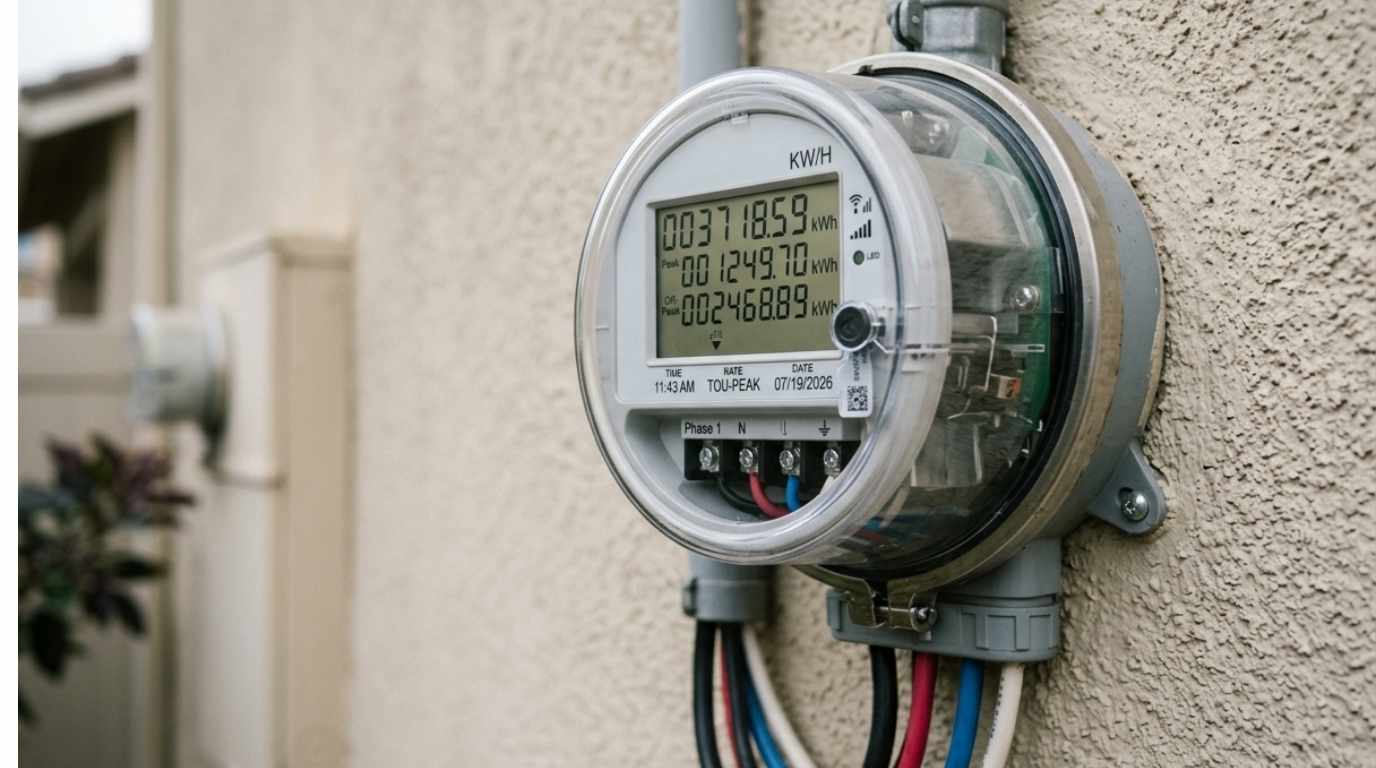
Your bill isn't only based on units (kWh) used. It also depends on when you use them — if you have a Time of Use (TOU) meter. A TOU meter records peak and off-peak consumption separately, and each block is billed at its own rate.
Same appliances, different rate
- 1 A washing machine and iron running for 1 hour at peak time use 2 units at the peak rate.
- 2 The same appliances running for 1 hour off-peak use 2 units at the lower rate.
- 3 Shifting even a few daily tasks out of peak hours can visibly lower your monthly bill.
Standard (non-TOU) meters are billed at a flat slab rate regardless of time. Peak-hour timing mainly matters for TOU meter users, industrial connections, and net-metering solar customers. See our IESCO Bill Calculator to estimate your own unit cost.
Watch your load
Appliances to avoid during peak hours
Avoid running these high-load appliances between 5 PM and 10 PM (adjust for season). You don't need to switch these off completely — just schedule them outside the peak window when possible.
Air conditioners
The biggest peak-hour load in most homes.
Electric water pumps
Especially motorized tank pumps.
Washing machines
Shift to early morning or late night.
Electric heaters & geysers
A major winter peak-hour driver.
Irons
Avoid stacking with other appliances during peak.
Microwaves & heating appliances
During rush cooking hours.
Lower your bill
How to reduce your electricity bill during peak hours
Shift heavy tasks
Run washing machines and water heaters late at night or early morning.
Stagger appliance use
Don't run the AC, iron, and washing machine together during peak hours.
Switch to LED lighting
LEDs use far less power than traditional bulbs.
Use appliance timers
Set machines to start automatically during off-peak hours.
Consider solar with net metering
Solar cuts your reliance on grid power during the day.
Track your meter
Review your TOU bill each month and adjust habits.
Behind the billing
What is a TOU meter?
Time of Use meter
Records peak and off-peak units separately. Your bill reflects two rates instead of one flat rate.
Who has one
- ✓ Industrial and large commercial connections
- ✓ High-consumption residential connections above a set sanctioned load
- ✓ Net-metering solar customers, so IESCO can track exported vs imported units by time slot
Consumers who shift usage to off-peak hours benefit most from a TOU meter — it directly rewards good timing habits.
Coverage
IESCO peak hours for different areas
IESCO supplies Islamabad Capital Territory and nearby districts. Peak hour timing applies uniformly across these areas — but local factors like voltage fluctuation or feeder-level load-shedding can still vary. Check with your local IESCO subdivision office for feeder-specific issues.
Net metering
IESCO peak hours and solar users
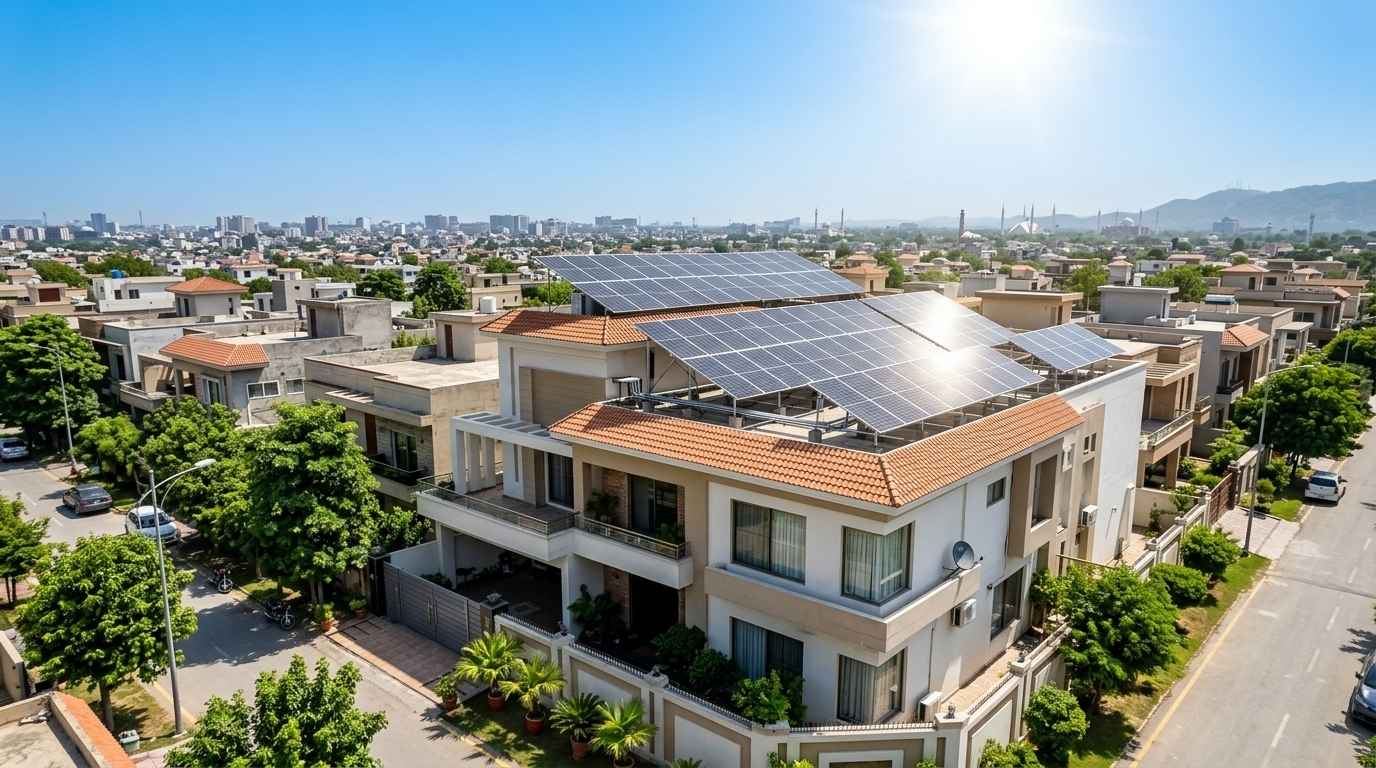
If you have net metering through IESCO, peak and off-peak timing still matters — but differently. Solar panels generate most power during daylight, which usually falls in the off-peak window.
- ✓ Power you generate and use directly during the day offsets units you'd otherwise buy at off-peak rates.
- ✓ Surplus power exported to the grid during the day is credited. Power drawn at night is billed at night peak or off-peak rates.
- ✓ Solar doesn't help during the evening peak window — still shift heavy night-time appliance use to off-peak hours.
Thinking about going solar? See our IESCO New Connection guide for the net-metering application process.
Related IESCO services
Explore more
FAQ
Common questions about IESCO peak hours
This guide is based on publicly available IESCO and NEPRA tariff information. Timings and rates are subject to change. Always verify the current schedule through your official IESCO bill or the IESCO website.