IESCO Load Shedding Schedule – Check Outage Timings for Your Area
Power gone and not sure why? Here’s how IESCO’s feeder-based load shedding works, how to check your own schedule, and what to do when the power suspension notice hits your street.
What is IESCO load shedding?
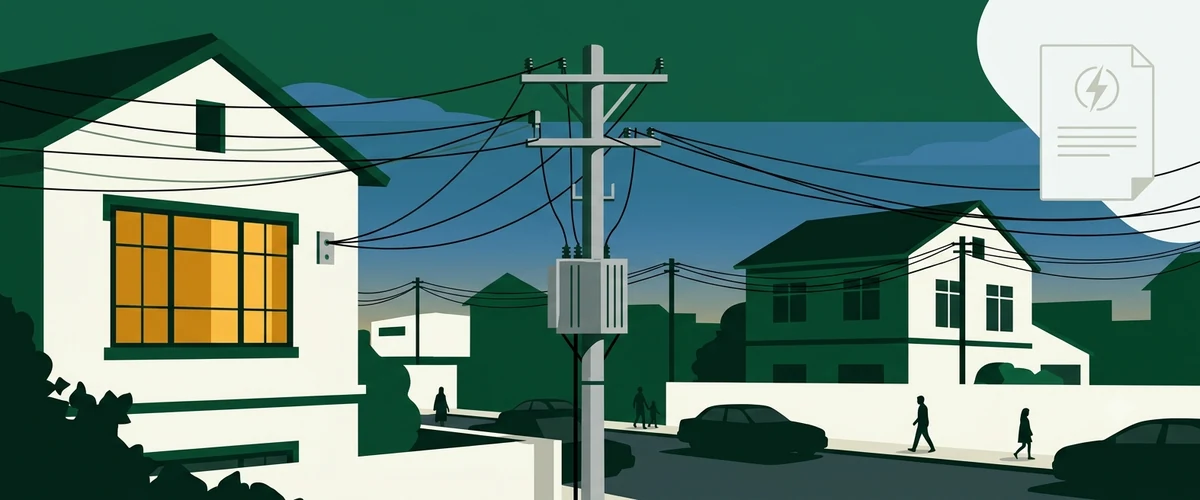
Load shedding is a planned, temporary power cut that IESCO applies when electricity demand outpaces the supply coming through Pakistan’s national grid.
IESCO — the Islamabad Electric Supply Company — is a WAPDA-linked distribution company (DISCO) regulated by NEPRA, Pakistan’s National Electric Power Regulatory Authority. When fuel costs or generation shortfalls create a shortage, IESCO manages the gap through scheduled outages rather than risking instability across the whole grid.
A common misconception is that load shedding follows one citywide timetable. It doesn’t.
- Applied at the feeder level, not by city or sector
- Usually planned and announced in advance
- Separate from unplanned faults or technical breakdowns
What’s a feeder?
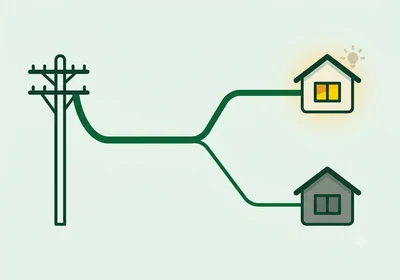
A feeder is the specific electrical line that supplies your meter. Two houses on the same street can sit on different feeders — and see completely different outage timings, even on the same day.
Why some feeders are shed more than others
IESCO groups feeders into loss categories based on technical line losses, electricity theft, and how well consumers on that feeder pay their bills. The schedule follows the category, not the neighborhood’s reputation.
Minimal or no scheduled cuts
Urban, well-metered feeders with strong bill recovery typically see little to no planned load shedding.
Longer, more frequent cuts
Feeders with higher theft or weaker bill recovery are shed more often, since the shortfall has to be balanced somewhere.
Summer vs. winter load shedding: what changes
Feeder loss category explains where shedding happens — but the time of year explains why it’s heavier or lighter at any given point. The two seasons are driven by different problems.
Demand-driven shedding
Air conditioners, fans, and fridges push consumption well above what the grid can supply, especially during peak afternoon and evening hours. This is when shedding is usually most frequent and longest.
Fuel/gas-shortage-driven shedding
Overall demand is lower, but gas supply to power plants often tightens in winter, which can trigger its own rounds of shedding even though fewer appliances are running.
This is why a feeder that’s rarely shed in December can suddenly see daily cuts in June — the underlying cause changed, not just the schedule.
How to check your feeder’s load shedding schedule
There’s no single public timetable — checking your own feeder takes a few extra steps.
Call your local SDO
Your Sub-Divisional Office can confirm your feeder and its current schedule. Keep your Reference Number or Consumer ID ready.
Check official channels
IESCO posts power suspension notices on its official website and social pages during active shortfall periods.
Register for SMS alerts
Register your mobile number with IESCO through your SDO or online portal for billing and outage updates.
Ask which feeder serves you
If you’ve never been told your feeder name, this is the first thing to ask your SDO — everything else follows from it.
Planned load shedding vs. unplanned outage
Not every power cut is scheduled. Knowing which one you’re dealing with decides what to do next.
| Planned Load Shedding | Unplanned Outage | |
|---|---|---|
| Cause | Grid-wide supply shortfall, fuel constraints | Technical fault, tripped feeder, storm damage |
| Notice | Usually announced via schedule or notice | No warning |
| Duration | Fixed window, feeder-specific | Varies — minutes to hours |
| What to do | Plan around the known window | Report it as a fault |
If the power’s out outside your known window, it’s more likely a fault than load shedding — worth reporting rather than waiting out. See our IESCO Complaint page for how to report and track it.
Getting compensated for excess load shedding
Your feeder’s announced schedule is a limit, not just a guideline. If IESCO sheds your feeder for longer than what was announced — “unscheduled excess” shedding — you have a formal route to raise it.
NEPRA Load Management SOP
Under NEPRA’s Load Management Standard Operating Procedure, DISCOs like IESCO are required to shed feeders strictly according to the announced schedule for that feeder’s loss category.
If your feeder is shed beyond its announced window, you can raise a written complaint with your local SDO citing the excess hours. Consumers who follow up on verified excess shedding can request a review of the affected billing period, which may result in a rebate or discount on that bill.
Keep a simple log — date, start time, and end time of each outage — so you have something concrete to show your SDO if the pattern doesn’t match the announced schedule.
Load shedding across IESCO’s five districts
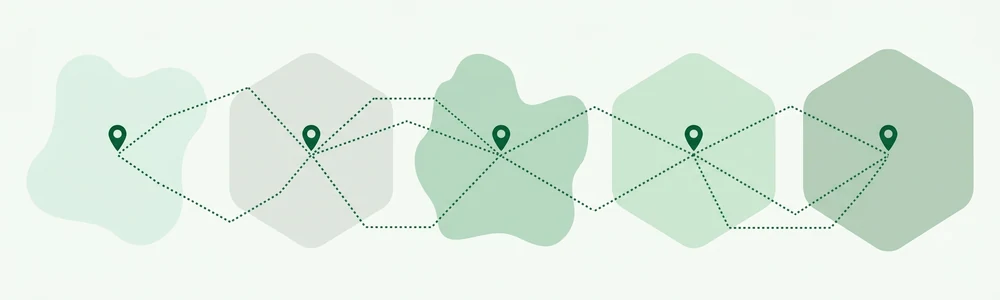
Treatment can vary between — and within — each district, largely due to feeder loss categories rather than geography alone.
Generally more stable, though outer sectors still see cuts.
Older infrastructure can mean more frequent interruptions.
Mixed urban-rural feeder coverage.
Rural feeders see longer windows on average.
Rural feeders see longer windows on average.
What to do during scheduled outages
Keep a UPS charged
For essential devices during your feeder’s known window.
Shift heavy appliances
Run washing machines, irons, and water heaters outside shed hours.
Consider net billing
Solar with battery backup helps on frequently-shed feeders. See our IESCO Tariff page.
Keep your ID handy
Your Reference Number and Consumer ID are needed for any SDO call.
Reporting a fault or unannounced outage
Note the approximate time the power went out.
Call the IESCO helpline or your local complaint center — numbers by area on our IESCO Helpline page.
Have your Reference Number or Consumer ID ready.
Ask for a complaint or ticket number so you can follow up.
Glossary: terms you’ll run into
A quick reference for the abbreviations and terms used across this page and on official IESCO notices.
| Term | What it means |
|---|---|
| Feeder | The specific electrical line that supplies a group of meters. Load shedding schedules are set per feeder, not per city or sector. |
| SDO | Sub-Divisional Office — your local IESCO office for feeder queries, complaints, and account matters. |
| DISCO | Distribution Company — a regional electricity distributor like IESCO, LESCO, or GEPCO. |
| WAPDA | Water and Power Development Authority — the original body that the country’s DISCOs were split from. |
| NEPRA | National Electric Power Regulatory Authority — the federal regulator that sets and oversees load management rules for all DISCOs. |
| Load Management | The general term for how DISCOs balance electricity supply and demand, including scheduled load shedding. |
| Loss Category | A feeder’s classification based on line losses, theft, and bill recovery — this, not location, decides how often it’s shed. |
Common questions
Is IESCO load shedding the same for the whole city?
No. It’s applied at the feeder level, so two nearby areas can be on completely different schedules.
How do I find out which feeder supplies my house?
Contact your local SDO with your Reference Number or Consumer ID — they can identify your feeder and its schedule.
Why does my area get shed more often than a nearby one?
Feeders with higher line losses or lower bill recovery are typically shed more frequently than low-loss, high-recovery feeders.
Is there a fixed load shedding schedule all year?
No — scheduled shedding is usually tied to shortfall periods like fuel constraints, and is adjusted as conditions change.
What’s the difference between load shedding and a power fault?
Load shedding is planned and falls within your feeder’s known window. A fault is unannounced and should be reported instead of waited out.
Can I get SMS alerts for outages in my area?
Yes — register your mobile number with IESCO through your SDO or online portal for billing and outage-related updates.
Does solar or net metering help during load shedding?
Grid-tied solar without battery backup still shuts down during an outage for safety. Solar with battery storage keeps essentials running.
How can I check today’s IESCO shutdown schedule?
Call your local SDO with your feeder details, or check IESCO’s official website and social media for the current power suspension notice covering your area.
Is there a compensation or bill discount for excess load shedding?
Yes. Under NEPRA’s Load Management SOP, if a feeder is shed beyond its announced schedule, consumers can raise the issue with their SDO and request a review, which may result in a rebate on the affected billing period.
Why is load shedding worse in summer than winter?
Summer shedding is mostly demand-driven, from heavy air conditioner and fan use pushing consumption above supply. Winter shedding is more often tied to gas or fuel shortages at power plants, so the cause — and the pattern — shifts by season.
What is a DISCO and how is IESCO related to WAPDA and NEPRA?
A DISCO is a distribution company that delivers electricity to consumers. IESCO is one of several DISCOs that originated from WAPDA, and it is regulated by NEPRA, the national power sector regulator.